Today I launch my Three Damn Things list for the Type-A personality. TDT is designed for the Type-A person trapped in a Type-B body. Or, put another way, the right-brained person trapped in a left-brained head.
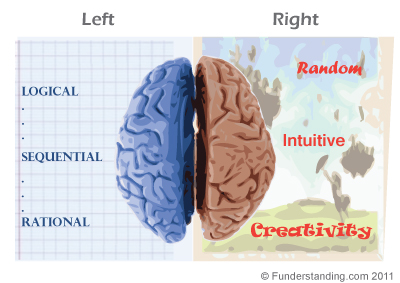
You want to create, but you can’t with so much internal noise, the frustration of letting things go unchecked. If only the voices would stop yelling at you to fix this, call on that, sew this, trim that. The voice is shrill and always will be to the creative Type-A type.
This isn’t about basic life things that need accomplished. I’m talking about the things we can put off for later. And later never comes. If your car is due for an oil change, what’s another thousand miles going to hurt? If you haven’t balanced your checkbook in seventeen months, what’s another month going to hurt? You’ve been meaning to fight that erroneous medical charge, but fighting anything is unpleasant. Put it off. Besides, it’s extra. Extra as in I don’t have to do it and nobody will ever know.
We pretend we don’t care about the clutter that is growing like mold on a shower curtain. We pretend we don’t see the actual mold on the shower curtain. “The new me,” you say (the one who is pretending to be someone they’re not) “is blind to all that. I don’t care. I’m going to finish this novel if it kills me.”
And killing you, it is. BECAUSE YOU CAN’T LIVE LIKE THAT. It isn’t you. That lifestyle doesn’t fit your personality type. Trust me; I know. You will remain preoccupied with whatever it is you are neglecting. The bigger the neglect (only Type-A would consider something like not color-coding her closet as neglect), the more apt you are to writer’s block. And neglecting your writing to take care of the internal nag doesn’t work either because now it’s your writing that’s nagging at you. It’s a vicious, never-ending cycle, and you need to do something about it, damnit.
When I hear about writers landing an agent eight months after they started the novel, I die a little inside. They are clearly Type B and right-brained all the way. They can write like there’s nothing else to do (I bet their CDs and DVDs aren’t even in alphabetical order). And the Type-A, right-brained can only write when there is nothing else to do.
Don’t take it anymore! Damn it.
Why “damn”? Because I’m fed up, damnit. Writing a to-do list is all fine and great and everything but most of what I put on mine are really just reminders of stuff I have to do and therefore unlikely to put off: scoop litter box, empty dishwasher, pay bills, etc. It’s the extra stuff that put me at my breaking point—damnit—and it’s messing with my creative flow. When I have too much stuff piling on, I can’t think around all the clutter. I can’t write. I can’t blog. I can’t move forward. I’m stuck in the quicksand of life, damnit.
Today. And every day from this one, I will do three things on my backlog. I have to be strategic. Photo albums will take all day so I will list it with two very small things like pull the six-foot-tall weed and find my glasses that I misplaced months ago. I use dime-store reading glasses as a replacement, but these are prescription, and I paid good money for them, damnit (I am fully aware that by searching for my glasses I will find many other neglected piles in my house. I don’t care. I’m ready, with my pen and pad to add those to my list too, damnit).
I can’t wait to wear all my clothes that needed ironed or needed a button. I can’t wait to see my hallway lined with my kids’ school pics from pre-k to current. I can’t wait to make that recipe that’s been glaring at me from a fridge magnet for, I kid you not, fifteen months. But just knowing I’m back in control will silence the internal nagging so I can focus more on my writing. Damnit.
What personality type do you think you are? Do you have any damn things nagging at you?








 Tricia





 Tricia Sutton's Blog